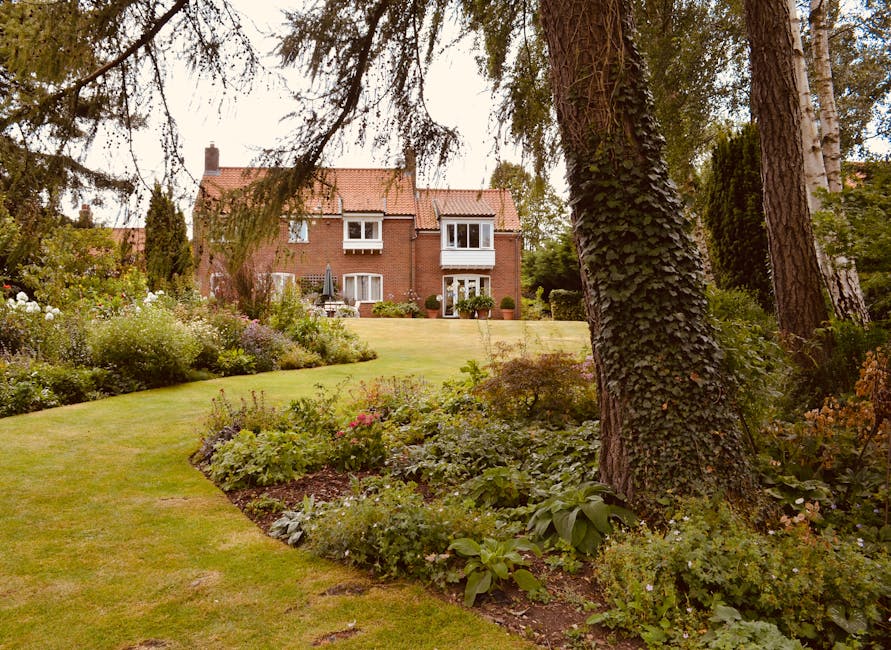
Estate agent garden handover checklist for Shooters Hill gardeners
If you are preparing a property for sale or a tenancy change, the outside space can quietly make or break the first impression. The Estate agent garden handover checklist for Shooters Hill gardeners is a practical way to get the garden looking tidy, believable, and ready for those all-important viewings and final inspections. In Shooters Hill, where many gardens have slopes, mature planting, older fencing, and a mix of paved and lawned areas, the details matter more than people think. A clean edge, a swept patio, and a healthy hedge can say, without shouting, that the home has been properly cared for.
This guide walks through what the checklist should include, why estate agents care, how to use it without wasting time, and which jobs are worth tackling first. There is also a straight-talking checklist at the end, because nobody needs another vague article. Let's make it useful.
Table of Contents
- Why it matters
- How the handover process works
- Key benefits and practical advantages
- Who this is for and when it makes sense
- Step-by-step guidance
- Expert tips for better results
- Common mistakes to avoid
- Tools, resources and recommendations
- Law, compliance, standards, or best practice
- Options, methods, or comparison table
- Case study or real-world example
- Practical checklist
- Conclusion
- Frequently asked questions
Why Estate agent garden handover checklist for Shooters Hill gardeners Matters
An estate agent handover is not just about making a garden look "nice". It is about removing uncertainty. When a buyer or landlord walks outside, they are subconsciously asking: is this space manageable, safe, and well looked after? If the answer feels like maybe, perhaps, or "we'll sort that later", the value of the outdoor space drops in their mind almost immediately.
That is especially true in Shooters Hill, where gardens can be compact, layered, or a bit wild around the edges. You may have overgrown shrubs hiding boundaries, a lawn that looks patchy from shade, or a patio that has slipped into that dusty grey stage that only shows up when the sun hits it at 4pm. Small things, but they stack up.
Estate agents tend to look for the same broad signals: clear access, tidy edges, visible boundary lines, clean hard landscaping, and no obvious hazards. If a prospective buyer sees trailing ivy, broken trellis, clogged paths, or a hedge hanging over the fence, they often assume bigger hidden issues too. Fair or not, that is how a garden gets judged.
For landlords and letting agents, the handover standard is often even more practical. They need an outdoor area that can be photographed well, described honestly, and handed to the next occupant without awkward questions. A reliable garden clearance or maintenance visit can make that transition far smoother, and a professional team that understands garden maintenance can help keep the work focused rather than overdone.
Expert summary: A good garden handover does not aim for perfection. It aims for "ready": tidy, safe, presentable, and easy for the next person to understand at a glance.
How Estate agent garden handover checklist for Shooters Hill gardeners Works
Think of the checklist as a staging plan for the outside space. You start with what people notice from the boundary or back door, then move to the details that shape value and trust. In practice, the process usually runs in three layers:
- Visible presentation - mow, sweep, edge, trim, clear clutter, and make the space feel open.
- Functional readiness - make sure paths, fences, gates, sheds, and drainage areas are usable and not obviously neglected.
- Risk reduction - remove trip hazards, unstable branches, loose debris, and anything that could derail a survey, viewing, or inspection.
That sounds simple enough, but the order matters. For example, there is no point cleaning a patio first if you still need to do major hedge trimming and tree work. You will just be cleaning up again. Likewise, if you clear the beds before cutting back the hedge, the hedge clippings land right back where you started. A little obvious, perhaps, but it happens all the time.
A well-run handover also considers timing. If the property is going on the market, the garden should usually be done close enough to the photos and viewings that the result still looks fresh. If it is a tenancy changeover, the work may need to happen after final occupancy but before inventory sign-off. That distinction matters because a garden that looked good last week can look less convincing after two windy days and a downpour. London weather, honestly, loves to keep us humble.
For bigger jobs, gardeners may combine several services: lawn care, hedge cutting, patio cleaning, light landscaping, or even fence repairs. A local team offering broader gardening services can make the handover easier to coordinate because one visit can tackle multiple issues rather than sending you into a project spiral.
Key Benefits and Practical Advantages
The obvious benefit is presentation. The less obvious one is speed. A clear checklist saves time because everyone knows what "done" looks like. That reduces back-and-forth with estate agents, landlords, tenants, and gardeners.
Here are the main practical advantages:
- Better first impressions for buyers, tenants, and surveyors.
- Fewer negotiation points when the outside space is clean and well presented.
- Less risk of delays at the handover stage because missing jobs are easier to spot early.
- More accurate quoting if you ask for garden work based on a defined list of tasks.
- Better property photography for listing images, especially in rear gardens and courtyard spaces.
- Reduced chance of complaints about untidy boundaries, leaves, moss, or overgrowth after the handover.
There is also a softer benefit: confidence. People relax when they can see the garden has been given proper attention. A neat lawn, trimmed hedge, and tidy border make the whole property feel more settled. And in a market where a lot of homes look similar online, that can help a listing feel just a little more cared for.
If the garden has been neglected for a while, a targeted garden clearance can be a sensible starting point before finer finishing work. It is not glamorous, but it clears the stage.
Who This Is For and When It Makes Sense
This checklist is useful for more people than you might expect. It is not only for homeowners selling a house. It also helps landlords, letting agents, executors handling a probate property, and even tenants who want to leave things on good terms.
It makes particular sense when:
- you are preparing a property for market photos and viewings;
- you need the outdoor space to pass a final inspection;
- the garden has become overgrown during a vacant period;
- the boundary lines need to look clear and maintained;
- the estate agent has flagged the garden as a weak point;
- there are awkward features like steep slopes, narrow side access, or heavily shaded areas.
Shooters Hill gardens often have character, which is lovely, but character can translate into maintenance. Mature planting can look beautiful in the right light and a bit unruly in the wrong one. Front gardens may need simple kerb appeal work, while rear gardens often need a more thorough reset. The exact approach depends on the property type and how the garden is used, but the logic stays the same: make it feel intentional.
If you are not sure whether you need one-off tidy-up work or something ongoing, it can help to compare a quick handover clean with regular lawn care or ongoing maintenance. A handover is usually about appearance and readiness. Maintenance is about keeping it there without panic two days before a viewing.
Step-by-Step Guidance
Below is a practical way to work through the handover without missing the obvious jobs.
1. Walk the garden as if you were the viewer
Start at the gate or back door and look slowly. What do you see first? Overgrown edges, weeds in paving, a tired lawn, a leaning fence panel, a dusty table, a pile of pots that somehow became a collection. Note the things that create a "to-do" feeling straight away.
2. Remove clutter and loose waste
Pick up broken pots, toys, plant labels, dead branches, packaging, and anything else that makes the space feel crowded. This is where a proper garden clearance can be very efficient, especially if the garden has accumulated more stuff than it can reasonably hold.
3. Cut back growth that hides structure
Trim hedges, light overgrowth, and straggly shrubs so boundaries, windows, and paths are visible again. The goal is not to flatten everything. Over-trimming can make a garden look harsh. But when growth starts swallowing paths or brushing the house, it is time.
4. Tidy the lawn area
Mow the grass, edge the borders, and remove clumps of cuttings. If the lawn is thin or uneven, try to present it neatly rather than pretending it is a bowling green. People do not need perfection; they need honesty plus care. Services such as lawn mowing can help get that clean finish quickly.
5. Clean hard surfaces
Patios, pathways, and steps should be swept and washed. If there is algae, leaf staining, or that dull film that builds up under trees, a specialist patio cleaning job can make a dramatic difference. It is one of those tasks that looks minor until it is done, and then suddenly the whole garden feels brighter.
6. Check fences, gates, and edging
Loose fencing, broken latches, and wobbly panels can distract from everything else. They also make viewers wonder what else may need attention. If a panel is beyond a quick fix, a visit to fencing services may be worthwhile before handover.
7. Deal with trees and larger structural growth
Branches overhanging paths, touching roofs, or casting heavy shade can change how the whole garden feels. For bigger or riskier work, use professional judgement. Tree work is not the place for guesswork or heroic ladder behaviour. If a tree is too large, unstable, or close to structures, proper tree surgery or tree lopping and removal may be the safer route.
8. Finish with a final polish
Sweep paths again, collect the last clippings, wipe outdoor tables if needed, and check sightlines from inside the house. A garden often looks best from the kitchen window or back door, not just from the lawn. That final look is worth taking seriously.
Expert Tips for Better Results
Over time, a few patterns become obvious. The best handovers are usually the ones that focus on restraint and sequence, not just effort.
Tip 1: Start with the edges. Crisp edges along lawns, borders, and paths instantly make a garden look more maintained, even before anything else is touched.
Tip 2: Don't overfill beds with fresh mulch or compost at the last minute. It can help visually, but only if the rest of the garden is already tidy. Otherwise it looks like you are hiding problems. People notice that.
Tip 3: Use the right cut on hedges. If a hedge is being reduced before sale or handover, keep the shape natural and avoid leaving it blunt or patchy. A clean reduction looks professional; a rushed one looks like an argument with the hedge.
Tip 4: Photograph the garden after work. Not before. Obvious, yes, but useful. If there is a dispute later, those photos help confirm what was completed.
Tip 5: Match the effort to the property's value. In some homes, basic cleaning and mowing is enough. In others, especially where the garden is a selling point, it may be worth going further with landscaping touches or structural tidying through landscaping.
Tip 6: Think about scent and feel as well as appearance. Freshly cut grass, swept stone, and clipped greenery create a subtle "well kept" atmosphere. You notice it when you step outside. It sounds a bit poetic, but it is true.
A final thought from day-to-day experience: when people rush, they often ignore the awkward corners. Those corners are exactly what estate agents and viewers look at. The side return, the fence line, behind the bins, under the hedge. The boring bits. The boring bits matter.
Common Mistakes to Avoid
The biggest mistake is doing cosmetic work before structural work. If you clean first and trim later, you create more mess. If you mow before clearing branches, you risk damaging the mower or the lawn. Order matters, and the garden will not forgive chaos. Unfortunately.
- Leaving the hedge too late so it sheds clippings over freshly cleaned paths.
- Ignoring boundary issues like broken panels or sagging gates.
- Using a lawn cut that is too short in a dry spell, which can make the garden look stressed rather than neat.
- Over-pruning shrubs and stripping away the character that makes the garden appealing.
- Forgetting drainage and puddle points where leaves and silt gather after rain.
- Assuming "tidy enough" is the same as handover-ready. It usually is not.
Another common slip is not agreeing the standard in advance. Is the aim to present for photographs, to satisfy a checkout inventory, or to hand over a vacant property with minimal fuss? Those are slightly different outcomes. If you do not define them, people work to different versions of "done", and that is where annoying misunderstandings begin.
Tools, Resources and Recommendations
You do not need a van full of specialist equipment to complete a decent handover. But the right basics help. A lawn mower, trimmer, rake, broom, pruning tools, gloves, waste bags, and a pressure washer or patio cleaner can cover a lot of ground.
For larger or more awkward jobs, especially in steep Shooters Hill gardens, professional support can save time and reduce risk. A team experienced in hedge trimming and lawn care can usually work in a cleaner sequence than a DIY approach, particularly if the garden has mixed surfaces and tight access.
Useful things to ask before booking any work:
- What is included in the quote?
- Will waste be removed or left on site?
- Are there any access issues that could affect the job?
- Will the team handle both soft landscaping and hard surface cleaning?
- Can the work be scheduled close to the estate agent visit or photography date?
If you want a broader refresh rather than a one-off tidy, it can be worth exploring landscape gardening as part of the plan. That is especially useful if the garden layout itself is making presentation difficult.
For many properties, a mix of maintenance, selective clearance, and one or two structural fixes is enough. You do not always need a total overhaul. In fact, sometimes that is exactly the wrong move.
Law, Compliance, Standards, or Best Practice
This topic is not usually about formal legal compliance in the way that building work or tenancy law might be, but there are still important best practices to follow. Safety comes first, especially with trees, slopes, hidden edges, and older structures.
For example, if a tree has significant deadwood, is too close to a structure, or looks unstable, do not treat it as a simple tidy-up. That is when professional judgement matters. Likewise, if a fence is bordering a shared boundary, it is worth checking ownership and responsibilities before replacing or altering anything substantial. No one wants a handover to turn into a neighbourly debate at the gate.
A reputable gardener should also work with sensible safety procedures, proper insurance, and clear communication about what is included and what is not. If you are comparing providers, it is reasonable to ask about their insurance and safety practices and their approach to risk on site.
Best practice also includes responsible waste handling. Green waste should be dealt with properly, especially after hedge cutting or clearance work. If sustainability matters to you or the property owner, you may also want to look at recycling and sustainability practices. That does not need to be complicated. It just needs to be thoughtful and consistent.
Finally, when handover work is being arranged through an agent or landlord, get the scope in writing. Not because people are difficult, but because memory is unreliable once deadlines are involved.
Options, Methods, or Comparison Table
There is more than one way to prepare a garden for handover. The right method depends on the time available, the condition of the garden, and whether the property is being sold, let, or vacated.
| Approach | Best for | Strengths | Limitations |
|---|---|---|---|
| DIY tidy-up | Small gardens, light mess, plenty of time | Low cost, flexible timing | Easy to miss details, slower, can be tiring |
| Targeted garden maintenance visit | Gardens that mostly need a refresh | Good balance of cost and impact | May not be enough for heavy overgrowth |
| Clearance plus finishing work | Overgrown or vacant properties | Fast reset, removes clutter and bulk | Usually more expensive than a simple tidy-up |
| Full presentation package | Marketing a property where the garden is a selling point | Strong visual impact, more polished result | Needs more planning and budget |
In many Shooters Hill properties, the best value sits somewhere in the middle. A modest amount of clearance, followed by focused mowing, trimming, and cleaning, often produces a bigger improvement than a hurried "all or nothing" approach. That is the sweet spot, really.
Case Study or Real-World Example
Here is a simple example based on a familiar kind of job. A homeowner was preparing to sell a semi-detached property with a sloping rear garden, an ageing patio, and hedging that had grown broad enough to make the space feel smaller than it was. The estate agent wanted the garden to read well in photos and not raise questions at viewing time.
The first visit focused on clearance: old plant pots, dead stems, leaf litter, and a few broken accessories that had been sitting near the shed for ages. Next came hedge trimming, edging, and lawn mowing. The patio was then cleaned so the pale paving could actually be seen again. Finally, the fence line was checked, and one damaged panel was repaired before listing.
The result was not a show garden. That would have been unrealistic. But it became a clean, legible space with clear boundaries and usable surfaces. The estate agent could walk viewers through it without apologising for the outside area. That matters more than people think. A garden does not need to be perfect to feel valuable; it just needs to feel looked after.
And yes, there was still one awkward corner behind the compost bin that nobody was ever going to love. Some things are just part of life.
Practical Checklist
Use this as your handover checklist and tick it off as you go.
- Walk the garden and note what is visible from the main entrance and back door.
- Remove rubbish, broken pots, old labels, and loose clutter.
- Clear leaves, twigs, and dead plant material from paths and beds.
- Mow the lawn and edge borders neatly.
- Trim hedges and shrubs that obscure windows, paths, or boundaries.
- Check fences, gates, and boundary lines for obvious damage.
- Sweep or wash patios, paths, and steps.
- Deal with algae, moss, or staining on hard surfaces where practical.
- Inspect trees and larger branches for safety concerns or heavy overhang.
- Make sure waste is bagged, removed, or arranged for proper disposal.
- Look at the garden from inside the house and adjust anything that still feels messy.
- Take photos after the work is finished for your records.
Quick priority order: clearance first, structural cutting second, surface cleaning third, finishing touches last.
If you are short on time, focus on what the eye notices first: the lawn, the hedge line, the path, and the fence. Those four things can shift the whole feel of a garden faster than any decorative extras.
Conclusion
A thoughtful estate agent garden handover is really about reducing friction. It helps the property look cared for, makes the next step easier, and avoids those awkward conversations where someone says the garden "needs a bit of work" and everyone pretends that is not code for a lot of work.
For Shooters Hill gardeners, the smartest approach is usually practical, measured, and local to the property's actual condition. Clear what needs clearing. Trim what obscures. Clean what is tired. Fix what looks unsafe or unfinished. That is usually enough to turn a worrying outdoor space into one that feels ready, calm, and properly handed over.
If you are planning a move, a let, or a final inspection, start with a simple scope and build from there. You will save time, avoid stress, and probably get a much better result than trying to do everything at once the night before.
Get a free quote today and see how much you can save.
Frequently Asked Questions
What should be included in an estate agent garden handover checklist?
It should cover clearance, mowing, hedge trimming, weeding, patio or path cleaning, boundary checks, and any obvious safety issues. The exact list depends on the garden, but those are the core areas most agents notice first.
How tidy does a garden need to be for a property handover?
It should look cared for, usable, and free from obvious clutter or hazards. You do not need a magazine-perfect garden. You do need one that photographs well and does not distract from the property itself.
Do Shooters Hill gardens need special treatment?
Often, yes. Many local gardens have slopes, mature planting, shaded corners, or older structures that need a more careful approach. The key is to work with the garden's layout rather than forcing it into an unrealistic finish.
Is lawn mowing enough for a handover?
Usually not on its own. Mowing helps a lot, but estate agents also notice edges, weeds, paths, hedges, and fences. A small amount of extra work can make a much bigger visual difference.
When should the garden work be done before photos or viewings?
As close as practical to the photography or viewing date, so the result still looks fresh. If the garden is exposed to wind, rain, or heavy shade, timing matters even more.
What if the garden is overgrown and there is no time?
Start with clearance and the most visible areas first: access routes, lawn, hedges, and hard surfaces. If needed, a focused clearance job is often the fastest way to get back to a presentable baseline.
Should I repair a fence before handover?
If the damage is obvious and affects the look or feel of the property, yes, it is usually worth dealing with. A leaning or broken fence can make the whole garden seem less maintained than it really is.
Do I need professional help for patio cleaning?
If the surface is heavily stained, slippery, or large enough that manual cleaning would take ages, professional help can be worthwhile. A clean patio can change the impression of the whole garden very quickly.
Can tree work be part of a garden handover?
Yes, if branches are overhanging, unsafe, or making the garden feel enclosed. Larger or more complex tree work should be handled carefully and, where needed, by qualified professionals rather than as a last-minute DIY job.
What is the biggest mistake people make with garden handovers?
They leave the outside space until the very end and then rush it. That usually leads to missed details, poor sequencing, and a garden that looks "better" but not actually ready.
How do I know whether I need garden maintenance or a full clearance?
If the garden is mostly tidy but needs a reset, maintenance may be enough. If it is full of debris, heavily overgrown, or neglected for a while, clearance first is usually the smarter move.
Can a handover checklist help with rental inspections too?
Absolutely. In fact, it can be just as useful for tenancies as for sales. A tidy garden helps avoid disputes, supports a smoother checkout, and leaves less room for awkward conversation later.
What should I ask a gardener before booking handover work?
Ask what is included, how waste is handled, whether they can cover multiple jobs in one visit, and how soon they can complete the work before your deadline. Clear answers at the start save hassle at the end.
If you are comparing options for a property in Shooters Hill, it helps to choose a team that understands both presentation and practicality. A decent handover is not about making a garden look fake; it is about making it look settled, usable, and honestly well kept. That is the sweet spot, and once you get there, everything else feels easier.