Health and Safety Policy for Gardeners Shooters Hill
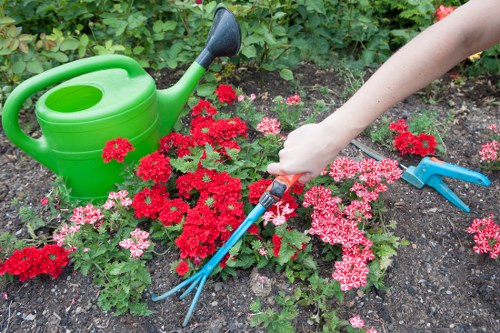 This health and safety policy sets out the standards expected from gardeners in Shooters Hill when carrying out domestic and commercial gardening work. It is designed to protect employees, contractors, clients, visitors, and members of the public from avoidable harm. The policy applies to routine maintenance, planting, pruning, hedge cutting, lawn care, clearance work, and the use of hand tools, powered equipment, and garden chemicals.
The aim is to create a working environment where risk is managed proactively and every task is completed with care, competence, and professional judgement. Garden work can involve uneven ground, sharp tools, lifting, noise, dust, weather exposure, and biological hazards. By following clear procedures, our garden maintenance teams help reduce accidents and keep work safe and efficient.
 All staff are expected to take reasonable responsibility for their own safety and the safety of others. This includes wearing suitable personal protective equipment, reporting defects, and stopping work if conditions become unsafe. A well-managed garden service depends on awareness, communication, and consistent standards across every site.
Risk assessment is central to this policy. Before work begins, hazards should be identified and controls put in place. Common issues include slippery surfaces, hidden debris, unstable slopes, insects, broken fencing, and overhead obstructions. When carrying out Shooter's Hill gardening services, teams should assess the site, consider the task, and adapt methods to the conditions on the day.
Manual handling must be planned carefully. Bags of soil, paving materials, tools, and waste can create strain or injury if lifted incorrectly. Staff should use trolleys, split loads where practical, and ask for assistance with heavy items. Safe lifting posture, regular breaks, and sensible scheduling are essential parts of responsible garden care.
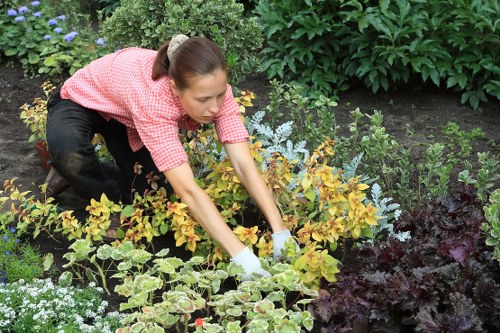 Tool safety is equally important. All equipment should be checked before use, cleaned after use, and stored securely when not in operation. Damaged blades, loose handles, faulty cables, or leaking fuel containers must be removed from service immediately. Only trained and authorised workers should operate power tools, with guards, switches, and controls used exactly as intended.
Where chemicals are used, they must be handled in line with the relevant instructions and risk controls. Fertilisers, weed treatments, and cleaning agents can cause harm if misused. Products should be correctly labelled, kept in original containers where possible, and never mixed unless specifically approved. The health and safety policy for gardeners requires careful storage, measured application, and safe disposal of any waste materials.
Weather conditions must also be considered. Working in rain, frost, heat, or high winds can increase the chance of slips, dehydration, sun exposure, or falling branches. If conditions change during the job, the team should pause and reassess the task. Suitable clothing, hydration, and sun protection are basic but important controls for reliable gardeners' safety.
Public safety is a key concern wherever work is carried out near paths, driveways, shared access areas, or neighbouring properties. Tools should never be left unattended where they can be reached by children or visitors. Debris must be cleared regularly, work zones should be kept tidy, and any temporary hazards should be clearly managed to prevent trips, cuts, or collisions.
Training and supervision help ensure this policy is followed in practice. New staff should receive instruction on safe working methods, equipment use, emergency procedures, and reporting requirements. Refresher training should be provided when new machinery, chemicals, or working methods are introduced. A strong safety culture depends on competence, attention to detail, and willingness to learn from incidents or near misses.
Accidents, injuries, and unsafe conditions must be reported promptly so that corrective action can be taken. Minor incidents should never be ignored, as they often reveal wider risks. Records should be kept of hazards identified, actions taken, inspections completed, and any equipment faults. This supports continuous improvement across professional gardening operations.
 Emergency arrangements should be understood by everyone involved in the work. Staff must know how to respond to cuts, falls, contact with chemicals, or equipment failure. First aid supplies should be available where appropriate, and work should stop immediately if there is a serious risk to health or safety. Calm, quick reporting helps reduce the impact of unexpected events.
Protecting the environment is also part of safe working practice. Waste should be segregated, recycled where possible, and removed responsibly. Spills, runoff, and unnecessary disturbance to soil or planting areas should be avoided. By combining environmental care with safe gardening practice, teams can deliver work that is both effective and conscientious.
Managers and supervisors are responsible for making sure the policy is applied consistently, while every worker is expected to follow the procedures set out. Safety checks, equipment maintenance, and site planning must be treated as essential parts of the job, not optional extras. This approach supports a reliable and professional service from gardeners Shooters Hill and ensures tasks are completed with minimal risk.
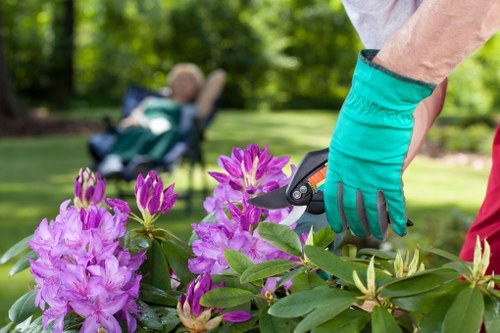 This health and safety policy will be reviewed regularly to make sure it remains suitable, practical, and effective. Updates may be made in response to changing equipment, legal requirements, operational needs, or lessons learned from day-to-day work. The overall commitment remains the same: to deliver garden services safely, responsibly, and with respect for everyone involved.