Greenwich Council garden waste rules what gardeners must know
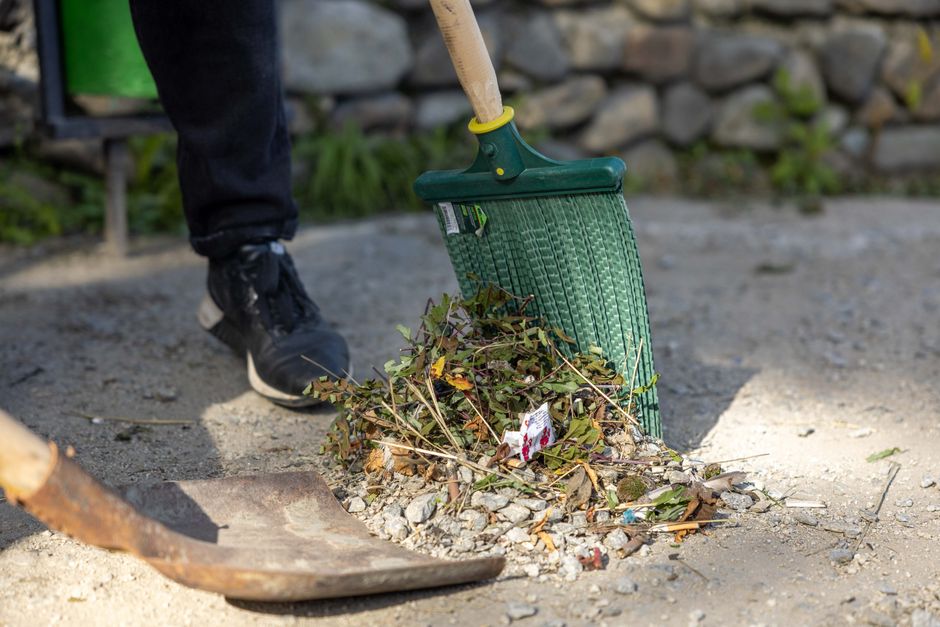
If you garden in Greenwich, the difference between a tidy clearance and a messy refusal notice can be surprisingly small. One minute you are cutting back shrubs, bagging lawn clippings, and feeling very organised; the next, you are staring at a pile of waste that does not quite fit the council's collection expectations. This guide to Greenwich Council garden waste rules what gardeners must know breaks it all down in plain English, so you can prepare garden waste properly, avoid common mistakes, and keep your jobs running smoothly. It is especially useful if you do regular garden maintenance, hedge cutting, pruning, or seasonal clear-ups.
We will cover how the system typically works, what tends to trip people up, how to sort waste sensibly, and when it may be better to split a job into smaller loads or use a different disposal route. A bit of planning goes a long way here. Truth be told, it saves time, money, and that annoying second trip back to the pile on the driveway.
Why Greenwich Council garden waste rules what gardeners must know Matters
Garden waste looks simple on the surface. Leaves, grass, twigs, clippings. Easy, right? But local collection rules can be stricter than many homeowners expect, and small differences in what you put out can decide whether a load gets taken away or left behind. That matters for three reasons.
First, compliance. Councils and waste contractors generally expect garden waste to be presented in the correct way. If you mix in the wrong materials, the whole lot may be rejected. A bag full of brambles and soil caked to the bottom can cause problems too.
Second, cost. If your waste is refused, you may need extra bags, an extra collection, or an alternative disposal method. That is rarely the part of a garden tidy-up anyone enjoys.
Third, timing. Garden jobs are often seasonal and weather dependent. After a windy weekend or a heavy pruning session, waste piles up quickly. If you do not know the rules, what should have been a neat Sunday reset can become a faff by Monday morning.
There is also a practical side. Proper sorting makes it much easier to turn green waste into compost, mulch, or a smaller, lighter collection. If you are already interested in better garden habits, our guide on transforming organic scraps into enriched soil for thriving gardens is a useful companion read.
Expert summary: The safest approach is to treat garden waste as a carefully sorted material stream, not just "anything green from the garden". Keep it clean, dry where possible, and separate from soil, rubble, and general household rubbish.
How Greenwich Council garden waste rules what gardeners must know Works
While service details can change over time, most council garden waste systems in London follow a familiar pattern. You usually need to know what counts as garden waste, how it must be presented, and what is not accepted. The headline rule is simple: only place the materials that are meant for garden waste collections in the container or pile specified by the council.
In practical terms, garden waste usually includes soft organic material from normal garden maintenance: grass cuttings, leaves, weeds, hedge trimmings, small branches, dead plants, flowers, and similar green materials. Things get trickier when you start adding heavy, woody, or contaminated material. Soil, stones, turf with too much dirt attached, plant pots, plastic ties, and bags of mixed rubbish can all cause issues.
Most problems happen in one of four places:
- Contamination: plastics, metal, glass, or general household rubbish mixed in with green waste.
- Overweight loads: wet grass, dense hedge cuttings, or soil-heavy materials can make bags or bins too heavy to handle.
- Wrong materials: food waste, large logs, building debris, and treated wood often fall outside standard garden waste collections.
- Poor presentation: loose piles, torn bags, or waste left where crews cannot access it easily.
A sensible habit is to separate your job into clean categories before you even start loading the vehicle or filling the bin. For example, hedge trimmings in one stack, leaves in another, and any non-organic debris in a separate caddy or rubble bag. That small bit of discipline saves time later, especially if you are doing a bigger tidy-up after stormy weather. If you have trees or larger woody branches involved, the work may drift beyond a simple green waste clear-out and into specialist help such as tree surgery.
And yes, if your garden has become a full-on wilderness after a long wet spell, you are not alone. We have all seen that one corner where ivy, cuttings, and mystery leaves somehow merge into a green mountain overnight. Gardening is graceful until it is not.
Key Benefits and Practical Advantages
Following the right garden waste process is not just about avoiding a rejection. It makes your garden work cleaner, calmer, and much easier to manage.
- Less time wasted: You spend less time re-sorting waste or waiting for a replacement collection.
- Cleaner garden presentation: A well-cleared border or lawn looks better immediately and is easier to maintain.
- Better composting potential: Clean green waste can often be reused more effectively at home.
- Lower risk of pests and smells: Wet mixed waste left in a pile can become unpleasant surprisingly fast.
- Safer handling: Removing hidden glass, rubble, or awkward woody debris reduces the chance of cuts or lifting injuries.
There is also a maintenance benefit that people sometimes overlook. Once you get into the habit of separating garden waste properly, your regular jobs become more predictable. That is especially useful if you combine waste clearance with services like garden maintenance, lawn care, or hedge trimming. It all hangs together.
If you are planning broader seasonal work, it can also help to think about the garden as a whole. A heavy prune, a lawn refresh, and a weed clear-up produce different waste types and different handling needs. That is where a little planning beats a big pile every time.
Who This Is For and When It Makes Sense
This information is useful for a wide range of people, not just keen gardeners with immaculate borders. In practice, it matters most if you fall into one of these groups:
- Homeowners managing weekly or seasonal garden work.
- Tenants responsible for keeping an outdoor space tidy.
- Landlords arranging clear-ups between occupancies.
- Busy families dealing with regular leaf fall, lawn clippings, and play-area maintenance.
- Local gardeners and contractors who need a reliable routine for sorting and removing green waste.
It also makes sense if you are redesigning a garden and expect a lot of waste during the process. For example, if you are removing ivy, reshaping a hedge, or creating a lower-maintenance plot, waste volume can jump fast. Our guides on eradicating ivy and low-maintenance garden ideas show how a smarter layout can reduce future waste headaches too.
In some cases, it makes sense to stop and reassess before the pile gets too large. If your clear-up includes heavy roots, thick branches, or mixed materials from landscaping work, you may be dealing with more than standard garden waste. That is the point where a proper disposal strategy, or help from a wider landscaping job, starts to pay for itself.
Step-by-Step Guidance
Here is the simplest way to handle garden waste without creating extra hassle.
- Identify the waste type. Separate soft green waste from woody material, soil, rubble, and household rubbish.
- Remove contamination. Pull out plastic ties, labels, pots, string, packaging, and anything non-organic.
- Cut large material down. Long branches, thorny stems, and bulky hedge trimmings are easier to manage in smaller sections.
- Keep waste dry where possible. Wet grass and sodden leaves weigh far more than they look. Annoying, but true.
- Use the right container. Choose bags, bins, or bundles that meet the collection or removal method you are using.
- Check access. Make sure the waste can be reached safely and will not block paths, gates, or driveways.
- Present it neatly. Place it where it is easy to collect and not spread across the pavement or road.
- Plan the next load. If the volume is still too high, split it into phases rather than forcing everything into one round.
For many gardens, a phased approach works best. Morning job: cut and clear the front border. Afternoon job: bag leaves and trim back climbers. Next day: sort the leftover woody bits. That steady rhythm is often better than trying to do the whole lot in one go and ending up knee-deep in clippings.
If you are doing this alongside a bigger outdoor project, it can be helpful to think in parallel about layout, surfaces, and upkeep. For example, if you are also renewing a patio or changing access routes, a tidier workflow matters. That is where services such as patio cleaning or landscaping can fit neatly into the bigger picture.
Expert Tips for Better Results
Small habits make a big difference here. The best garden waste routines are not glamorous, but they are efficient.
- Use a tarpaulin or sheet while cutting hedges or pulling weeds. It keeps the waste in one place and makes lifting easier.
- Do not leave grass clippings in a hot heap. They can compact quickly, smell a bit off, and become harder to bag.
- Trim as you go. Shorter branches are easier to bundle and safer to handle.
- Keep a "no contamination" box for plant labels, broken pots, string, and odds and ends you find during the job.
- Work with the weather. Dry waste is lighter. After rain, expect the same pile to feel twice as awkward.
- Think seasonally. Autumn leaf fall and late-spring growth spurts need different handling than a quick summer tidy-up.
One practical tip that often gets missed: if you are cutting hedges or removing fast-growing climbers, the waste can rebound faster than expected. A hedging project may look neat for a week, then the trimmings stage a comeback in the shed. That is why a good routine matters. Our article on speedy hedges for backyard privacy and evergreen climbers for shady spots can help you plan planting choices that are easier to manage over time.
If your garden is exposed to gusts, wet leaves and light prunings can blow everywhere before you have even finished the job. In those cases, timing and containment matter even more. A neat, calm morning is far better than trying to gather a dozen tiny piles at dusk. Been there, regretted that.
Common Mistakes to Avoid
Most problems with garden waste are avoidable. The usual culprits are surprisingly ordinary.
- Mixing everything together. Green waste, plastic, soil, and general rubbish should not be dumped as one batch.
- Overfilling bags. It is tempting to squeeze in "just a bit more", then the bag splits or becomes too heavy to move safely.
- Including too much soil. Soil is heavy and often treated differently from soft garden waste.
- Leaving long or sharp branches loose. They snag, poke through bags, and create handling risks.
- Forgetting to check collection day rules. Timing and presentation matter as much as the contents.
- Assuming one system fits every waste type. It rarely does.
Another common slip is ignoring the difference between normal garden waste and material from bigger works. If you have taken out a fence panel, removed old sleepers, or broken up paving while improving the garden, that is no longer just "green waste". Those jobs need a separate disposal plan, and sometimes specialist help from fencing or decking services if the project is tied to outdoor upgrades.
And then there is the classic one: doing a huge clear-out on a wet day and wondering why the bags feel like bricks. We all make that mistake at least once. Usually only once.
Tools, Resources and Recommendations
You do not need a van full of specialist kit, but a few practical tools make garden waste handling much easier.
- Heavy-duty garden bags for clippings, leaves, and weeds.
- Tarpaulins or debris sheets to gather waste from larger cuts.
- Bypass loppers and pruning saws for reducing bulky branches to manageable sizes.
- Gloves and eye protection for thorny or scratchy material.
- Wheelbarrow or garden trolley for moving waste without repeated lifting.
- Rake and leaf collector for autumn cleanup and lawn work.
For practical garden work more broadly, our article on essential gardening tools every outdoor enthusiast needs is a good place to compare what actually earns its keep. And if you are trying to make waste useful rather than simply move it on, transforming organic scraps into enriched soil can help you think in terms of reuse and composting.
Practical recommendation: keep one container just for "questionable" items you find during a clear-up. Old tags, broken ties, shards of plastic, mystery bits from behind the shed. It saves constant stopping and second-guessing.
Law, Compliance, Standards, or Best Practice
Garden waste handling is partly about council rules and partly about broader waste best practice in the UK. The exact local collection arrangement may change, so the safe approach is to check current Greenwich guidance before putting out any waste. That said, a few standards hold true in most places.
Keep waste separated. Do not mix garden waste with domestic rubbish, trade waste, rubble, or hazardous materials. Mixed loads are more likely to be rejected and can create handling problems.
Protect public access. Waste left on pavements, shared paths, or road edges can become an obstruction. That is both inconsiderate and, in some situations, a nuisance or safety issue.
Use safe lifting practices. Overfilled bags and damp clumps are a back strain waiting to happen. Split loads. Use proper gloves. Ask for help if needed.
Be careful with invasive plants and woody material. Some garden waste, especially thick roots or persistent climbers, needs a more disciplined disposal method. If your job includes heavy cutting or removal work, our guide on weed control essentials and the earlier ivy article may help you reduce repeat growth and repeated disposal.
In best-practice terms, the ideal is simple: reduce volume at source, keep the load clean, and present it in a way that is easy, safe, and predictable to collect.
Options, Methods, or Comparison Table
Different garden waste methods suit different jobs. Here is a straightforward comparison to help you choose what fits your situation.
| Method | Best for | Pros | Watch out for |
|---|---|---|---|
| Council garden waste collection | Regular household green waste | Simple, familiar, convenient | Must follow local sorting and presentation rules |
| Home composting | Leaves, clippings, soft plant matter | Reduces waste, improves soil | Not ideal for all woody or diseased material |
| Bagging for private removal | One-off clear-ups and mixed garden jobs | Flexible, easy to stage in batches | Can become heavy and labour-intensive |
| Specialist clearance | Large hedge cuts, trees, bulky debris | Efficient for bigger or awkward jobs | May be unnecessary for small tidy-ups |
For many people, the best option is actually a mix. Compost the soft stuff, collect the bulk in manageable bags, and bring in help for the heavy or awkward part. That balance is often more realistic than chasing one perfect method for every season.
If your garden is changing shape too, some related reading may help. The basics of container gardening, vertical gardening, and ground covers can all reduce future maintenance and therefore future waste.
Case Study or Real-World Example
Imagine a small terraced garden after a late-summer tidy-up. The owner has trimmed a hedge, cleared a flower bed, and pulled back a patch of ivy that had been creeping into a corner. At first glance, it looks like one pile of green stuff. In reality, it is three different jobs:
- soft hedge trimmings, which can usually be collected or composted more easily;
- mixed weeds and leaves, which are fine only if free from contamination;
- woody stems and thicker ivy growth, which are bulkier and need cutting down first.
Instead of shoving everything into the same sacks, the owner separates it on a tarp, clips the woody bits into shorter lengths, and removes any plastic ties from the hedge cuttings. The result? Neater bags, easier handling, and far less chance of a rejected collection. A bit boring, maybe. But effective.
Now imagine the same garden after a wet week. The grass is soggy, the bags are heavy, and the ivy stems are tangled. Suddenly the job becomes slower and less pleasant. That is where preparation and timing save the day. If the garden also needs wider attention, a tidy-up can combine well with lawn mowing or gardening services so everything is handled in one coherent visit rather than six improvised ones.
Practical Checklist
Use this quick checklist before you put out garden waste or arrange removal:
- Have I separated green waste from rubble, plastic, and household rubbish?
- Have I cut oversized branches or stems into manageable pieces?
- Are the bags or bundles safe to lift?
- Is there too much soil or water weight in the load?
- Have I removed labels, ties, plant pots, and other non-organic items?
- Is the waste placed where it can be safely collected?
- Do I know whether this is regular garden waste or a larger clearance job?
- Would composting some of it make more sense?
- Do I need help with heavier jobs such as trees, fencing, or a patio-adjacent tidy-up?
That last question matters more than people think. Sometimes the smartest move is not to wrestle with the pile at all but to bring the garden plan back into shape first. Cleaner structure, less waste. Simple as that.
If you are weighing up a broader refresh, browsing about us can help you understand the kind of support available, and pricing and quotes is useful when you want a clearer idea of the next step.
Conclusion
Knowing Greenwich Council garden waste rules what gardeners must know is less about memorising one perfect instruction and more about building a reliable habit: sort the waste, keep it clean, present it properly, and do not treat every garden material as if it belongs in the same bag. Once you get that rhythm, garden jobs become smoother and far less stressful.
For local gardeners, that means fewer refusals, less wasted effort, and a tidier outdoor space that is easier to keep under control through the seasons. Whether you are trimming hedges, clearing leaves, or tackling a larger seasonal cut-back, a bit of planning goes a long way. And if you are ever unsure, it is worth taking a moment to double-check before the bags go out. Saves a headache later.
Get a free quote today and see how much you can save.
Gardening is always a little easier when the practical bits are handled well. Get those right, and the rest tends to fall into place.
Frequently Asked Questions
What counts as garden waste under Greenwich Council rules?
In general, garden waste means soft organic material such as grass cuttings, leaves, weeds, hedge trimmings, and small plant material. Items like soil, rubble, plastic, and general household waste are usually handled separately.
Can I put branches in with garden waste?
Small branches are often acceptable if they are cut down into manageable lengths and presented safely. Large, heavy, or awkward woody material may need a different disposal approach or extra preparation.
Are soil and turf accepted as garden waste?
Soil and turf can be a problem because they are heavy and may not be treated the same as normal green waste. If the material is soil-heavy, it is better to check the current local guidance before putting it out.
Can I mix weeds with grass clippings and leaves?
Usually yes, if they are clean and free from contamination. The key issue is whether the whole load remains suitable for the garden waste stream and does not include plastics, pots, or other rubbish.
What should I do with ivy and invasive growth?
Ivy and other vigorous climbers can be dealt with as green waste if they are cut and sorted properly, but thick, tangled growth often needs reducing first. If the job is larger, it may be better handled as part of a broader clearance.
Will wet garden waste cause problems?
It can. Wet clippings and leaves weigh far more, which makes bags harder to lift and can cause presentation issues. Drying waste a little before collection often makes the job easier.
Do I need special bags or bins for garden waste?
That depends on the collection method used locally. Some systems require a specific bin, while others rely on approved sacks or bundled presentation. Always follow the latest local instructions.
Can I compost my garden waste instead of putting it out?
Yes, many gardeners compost leaves, cuttings, and other soft green waste at home. It is a practical way to reduce collection volume and improve soil over time, though not every material is suitable for composting.
What happens if my garden waste is contaminated?
If the waste contains too much non-organic material, it may be refused or left behind. That is why it helps to do a quick sort before collection day and remove obvious contaminants.
Is garden waste from hedge cutting treated differently?
Often the material is still garden waste, but hedge trimmings can be bulkier and more awkward than grass or leaves. Cutting them down and keeping them well contained makes them easier to handle.
What should I do after a big seasonal clear-up?
Split the waste by type, reduce the volume where possible, and decide whether some material should be composted, collected, or removed as part of a bigger service. Autumn and spring tidy-ups are usually best handled in stages rather than all at once.
Where can I get help if my garden waste job is too large?
If the volume is more than you want to manage yourself, it can help to use a professional gardening or clearance service. That is especially useful when waste is mixed with hedge cutting, tree work, or landscaping changes.