Hidden charges to avoid when hiring gardeners in Shooters Hill
Hiring a gardener should make life easier, not turn into a little parade of surprise add-ons. Yet that is exactly where people can get caught out: the quoted price looks fine, the job starts, and then suddenly there are extra fees for clearance, waste removal, petrol, minimum call-outs, or "unusual access". If you are comparing gardeners in Shooters Hill, knowing the hidden charges to avoid when hiring gardeners in Shooters Hill can save you money, stress, and a very awkward conversation later.
This guide breaks the issue down in plain English. You will learn which costs are genuinely normal, which ones need questioning, how quotes should be structured, and how to spot vague pricing before it becomes your problem. We will also cover a few practical checks, some local context, and the right questions to ask before you say yes.
Why hidden charges matter in Shooters Hill
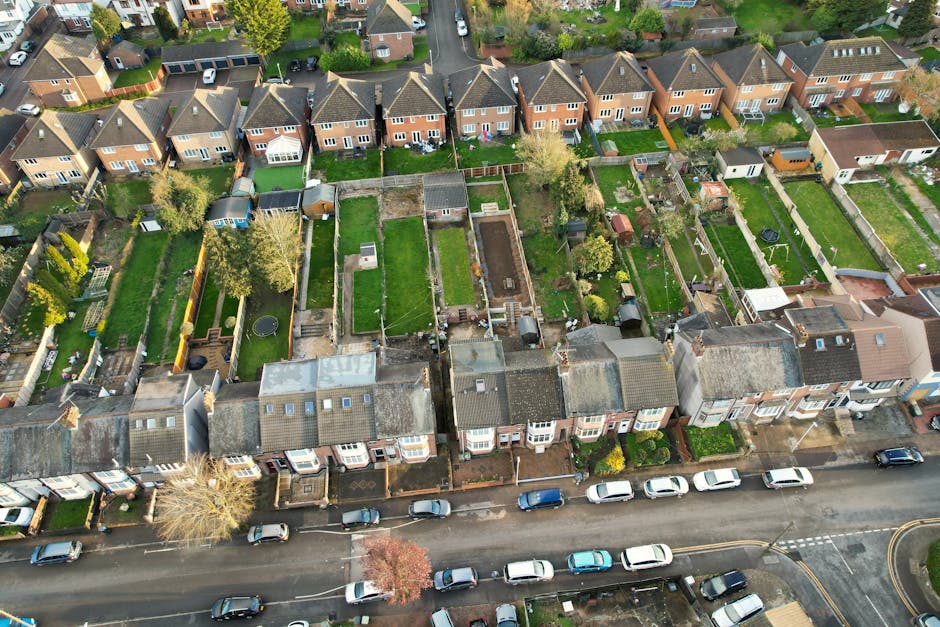
Shooters Hill homes can come with all sorts of garden layouts: narrow side access, mature shrubs, sloping plots, older paving, hedges that have had a bit too long to think about themselves. That variety is lovely, but it also means a gardener's "simple job" can become more involved once they arrive. A quote that looks competitive at first can climb if the contractor has left out real-world costs.
The issue is not that gardeners should work for free. Far from it. Fair pricing is normal. The problem is vague pricing. If a quote does not state what is included, you end up paying for the same task twice in spirit, if not on paper. That is why asking about hidden extras upfront matters just as much as choosing the right service.
There is also a trust angle. Clear pricing usually reflects clear working. A gardener who explains labour, waste, equipment and access requirements properly is often easier to deal with overall. If you want a broader sense of how a well-run local provider presents itself, it is worth looking at the service information on pricing and quotes and the company's about us page before booking.
To be fair, this is not just about saving a tenner here and there. It is about avoiding the classic "oh, we forgot to mention that" moment. Nobody enjoys that. Nobody.
How hidden charges to avoid when hiring gardeners in Shooters Hill works
Most gardening jobs are priced in one of three ways: fixed quote, estimated quote, or hourly rate. The trouble starts when the quotation sounds fixed but behaves like an estimate once the work begins. That is where hidden fees tend to appear.
Here are the most common ways extra charges sneak in:
- Minimum visit charges - a short job still costs a full call-out.
- Waste disposal fees - clippings, branches, soil, or old plants are removed for an added charge.
- Fuel or travel supplements - sometimes folded into the price, sometimes not.
- Equipment charges - special tools, hedge cutters, stump tools, or heavy-duty clearance gear may be extra.
- Difficulty or access fees - limited access, steep gradients, or awkward entry points can increase labour time.
- Overgrowth or clearance surcharges - jobs that are much more tangled, thorny, or heavy than expected.
A well-written quote should tell you whether these are included. If you are booking regular upkeep, a proper garden maintenance visit may be more straightforward than an ad hoc tidy-up, because the scope is easier to define. Likewise, if the work is mainly cutting and shaping, a dedicated hedge trimming service may spell out the likely extras more clearly than a generic all-purpose visit.
In practice, the best way to avoid nasty surprises is simple: ask what the quote includes, ask what it excludes, and ask what would change the price. That third question is the one many people forget. It's a good one.
Key benefits and practical advantages
Transparent pricing is not only about defence. It actually improves the whole booking experience.
- Better budgeting - you know the full cost before work starts.
- Cleaner comparisons - you can compare gardener quotes fairly, not just by headline price.
- Less dispute risk - clearer scope means fewer misunderstandings on the day.
- More efficient planning - the gardener can bring the right tools and enough time.
- Better results - when the job is scoped properly, quality usually improves too.
There is a practical knock-on effect as well. If you plan your garden around a clearer service scope, you can decide whether to combine jobs or split them. For example, some homeowners book lawn work separately from larger outdoor projects because that keeps the quote clean. A focused lawn mowing visit is easier to price than a mixed day of grass cutting, weeding, edging and disposal.
And if your outdoor space is being upgraded rather than just maintained, pricing clarity becomes even more important. A quote for landscaping may involve materials, labour stages and site preparation, so you really do want the detail written down. Otherwise the final bill can wander off in directions nobody intended.
Who this is for and when it makes sense
This advice is for anyone hiring gardeners in Shooters Hill who wants to avoid paying more than expected. That includes:
- homeowners booking one-off garden tidy-ups
- landlords preparing a property for tenants or sale
- busy families who want ongoing maintenance
- people with mature gardens that need heavier clearance
- anyone arranging seasonal work after bad weather
- customers comparing quotes from several local providers
It matters most when the job is complex. A small lawn cut is usually straightforward. But if the garden has overgrown hedging, ivy, tired decking, uneven boundaries, or a lot of waste, you need to know whether the quote covers the whole picture. If you are dealing with climbing plants or tangled growth, a related guide like eradicating ivy safely and effectively can help you understand why such jobs often take longer than they first appear.
It also makes sense for people planning a child-friendly or pet-friendly outdoor space. A quick tidy is one thing; changing the layout or improving safety is another. If that is your situation, the company's articles on designing a child-friendly garden and creating a canine-friendly garden oasis may help you think about the work in more realistic stages.
Step-by-step guidance for checking a quote
- Describe the job properly. Don't just say "garden tidy". Mention hedge height, lawn size, access, waste, paving, and any problem areas. A vague brief usually leads to a vague quote.
- Ask what is included. Labour, cutting, edging, leaf collection, waste bagging, and loading should all be clear. If something is not included, get that noted.
- Check for disposal costs. Green waste removal is one of the most common extras. It may be fair, but it should be stated. Hidden is the problem.
- Ask about equipment. If specialist tools are needed, ask whether they are part of the price or charged separately.
- Confirm access conditions. Narrow side paths, rear access only, multiple flights of steps, or long carry distances can affect labour time.
- Find out whether the quote is fixed or estimated. Fixed means fixed. Estimated means the final price may move if the job differs from the description.
- Request the trigger points for extra charges. For example: "What would make this price increase?" That question does a lot of heavy lifting.
- Get it in writing. A written message or formal quote protects both sides and reduces memory gaps later on.
If your garden needs a more specific service, such as lawn care, a dedicated service page can help you understand the likely scope before you request a quote. The same goes for work on edges, boundaries or structures, where a more specialised service is often easier to price accurately than a broad "general gardening" label.
One small but important point: if a gardener hesitates to explain the quote, that is a sign to slow down. Not necessarily a red flag, but definitely a yellow one.
Expert tips for better results
After a while, the pattern becomes pretty clear. Good value is rarely the cheapest headline number. It is the quote that is easiest to understand.
- Be specific about the before state. A photo helps. So does a quick note on recent growth, waste, or damage.
- Separate one-off work from maintenance work. A rescue job and an upkeep visit are not the same thing.
- Ask about timed labour versus task pricing. Hourly work can be fair, but it needs guardrails.
- Make sure waste is discussed before work starts. This is where plenty of surprise charges live.
- Compare like with like. A cheaper quote may exclude clearance, while a dearer one may include everything.
- Check whether weather affects timing. Wet grass, wind, or frozen ground can change what is sensible on the day. Anyone who has worked a windy London afternoon will know that things are never quite as simple as they look from the kitchen window.
For seasonal work, it also helps to think ahead. A winter clean-up and a spring refresh can be priced differently because of the materials involved and the condition of the garden. If you are planning ahead, the company's articles on winterproofing your garden and shielding your garden from severe weather are useful for understanding why seasonal tasks vary.
And yes, do ask the boring questions. The boring questions save money. They really do.
Common mistakes to avoid
Most people do not get caught out because they are careless. They get caught out because the quote looks simple and they are busy. That's normal. Still, a few common mistakes come up again and again.
- Accepting a verbal quote only. Fine for a quick chat, risky for a paid job.
- Not mentioning waste. Clippings, branches and old material can become a cost centre very quickly.
- Assuming all gardeners define "tidy-up" the same way. They don't. One person means a light sweep; another means a proper cut-back.
- Comparing a specialist quote with a general quote. The scope may be completely different.
- Ignoring access problems. A garden that looks simple from the back door may be a faff to reach with tools.
- Forgetting to ask about VAT or invoicing format. Especially important for larger or repeat jobs where paperwork matters.
Another sneaky mistake is assuming every extra cost is unfair. That is not true either. If a gardener has to carry waste a long way, hire equipment, or spend double the expected time on an overgrown area, a price adjustment can be reasonable. The key is disclosure. If you know it upfront, you can decide. If you don't, that's the issue.
If you are considering a more technical job, such as tree work, it is worth reviewing a specialist page like tree surgery rather than assuming a general gardening visit covers it. Same logic for fencing or hard landscaping. Different jobs, different cost structures. Simple as that.
Tools, resources and recommendations
You do not need complicated tools to protect yourself from hidden charges. A good notebook and a calm approach can do most of the work. Still, a few resources on the website are genuinely helpful when you are planning a hire.
- Pricing and quotes - useful for understanding how quotes should be presented.
- Terms and conditions - worth reading before agreeing to any work.
- Payment and security - helpful when you want to know how payments are handled.
- Insurance and safety - important for understanding risk, especially on larger jobs.
- Health and safety policy - useful reassurance for more involved outdoor work.
- Complaints procedure - helpful if a misunderstanding does happen and you need a clear process.
For planning garden improvements, the blog can also be handy. If you are thinking about plant-led screening, fast-growing hedges for privacy and evergreen climbers for shady spaces are both useful reads. If low-maintenance is your priority, the guide to low-maintenance garden ideas can help you reduce future call-out costs, which is a nice bonus.
Sometimes the smartest way to avoid hidden charges is not just questioning the quote, but designing the garden so it is easier to maintain. That is the long game. Quietly powerful, actually.
Law, compliance, standards, or best practice
In the UK, gardening services are usually governed less by dramatic rules and more by common-sense commercial practice, clear consumer communication, and safety responsibilities. You do not need to be a legal expert to protect yourself, but you should expect straightforward information about what is being sold to you.
Good practice usually includes:
- clear written quotes where possible
- honest descriptions of included tasks
- plain disclosure of extra charges before work starts
- safe working methods for tools, ladders and machinery
- appropriate handling of waste and site debris
For larger or riskier jobs, it is reasonable to ask whether the gardener follows a health and safety approach and whether they carry suitable insurance. That is especially sensible for tree work, heavy clearance, slippery patios, or jobs involving power tools. You are not being difficult. You are being prudent, which is different.
Best practice also means fair payment terms. If deposits, cancellation terms or payment timing are involved, they should be set out clearly in advance. If those details are buried or missing, ask for them. Transparency is the standard you want, even if the job is just a Saturday morning clean-up.
Options and comparison table
Here is a simple comparison of common pricing approaches. This is not a fixed rulebook, just a practical way to think about the trade-offs.
| Pricing method | What it usually means | Pros | Watch out for |
|---|---|---|---|
| Fixed quote | One set price for an agreed scope | Easy to budget, fewer surprises | Only works well if the scope is written clearly |
| Estimated quote | Likely cost based on what is known so far | Useful for unclear or bigger jobs | Can rise if the job turns out bigger than expected |
| Hourly rate | You pay for the time spent | Flexible for open-ended work | Needs time control and clear boundaries |
| Task-based with extras | Base price plus separate add-ons | Can suit mixed jobs | Most vulnerable to hidden charges if extras are not listed |
For many homeowners, a fixed quote is the least stressful option. But only if it is genuinely fixed. If the gardener says "fixed subject to inspection", then it is really more of a conditional estimate. Not bad, just different. And it should be treated that way.
Case study or real-world example
Imagine a typical Shooters Hill garden after a long wet spell. The lawn is patchy, the hedge has pushed out further than expected, and the back corner has accumulated old branches, leaves and a bit of ivy. A homeowner asks for "a general tidy-up". The first quote sounds sensible. Then, on arrival, the gardener notices that access is only through a narrow side path and waste needs carrying through the house gate in several trips.
If those details were not discussed, friction starts fast. One side feels the price should stay the same; the other feels the job has changed. It is exactly the kind of situation that leads to awkwardness.
Now compare that with a clearer approach. The homeowner sends a few photos, explains the access issue, mentions the overgrowth, and asks whether waste removal is included. The gardener quotes for labour, clearance and disposal separately, or builds them into one clear price. No drama. No "surprise" charge at the end. Just a sensible transaction.
That is the real lesson here. Hidden charges are usually not hidden by magic. They are hidden by assumption.
Practical checklist
Use this before you agree to any gardener's quote:
- Have I described the job clearly?
- Does the quote say exactly what is included?
- Have I asked about waste removal?
- Do I know whether tools or equipment are extra?
- Have I checked access, parking, and carrying distance?
- Is the price fixed, estimated, or hourly?
- Have I asked what would trigger a price increase?
- Is the quote written down somewhere?
- Do I understand payment timing and terms?
- Does the gardener seem willing to explain the details plainly?
If you can tick most of those off, you are in a much safer place. If not, slow down. One extra email now can save a lot of irritation later.
Conclusion
Hidden charges to avoid when hiring gardeners in Shooters Hill are usually easy to spot once you know where to look. The main risks are vague quotes, undefined waste removal, unclear access assumptions, and "extras" that were never properly explained. The answer is not to distrust every gardener. It is to insist on clarity.
In our experience, the best local garden services are the ones that talk plainly, price honestly, and make the scope of work feel easy to understand. That is what you want. A neat garden, a fair bill, and no small print drama sitting on top of it.
If you are still comparing options, take a moment to review the service details, ask the awkward questions early, and choose the quote that feels complete rather than just cheap. It usually pays off.
Get a free quote today and see how much you can save.
If you would like to speak with a local team about your garden, you can start by reviewing the service information on the website and then making an informed decision. A little care at the beginning really does make the whole job smoother.
Frequently Asked Questions
What are the most common hidden charges when hiring gardeners in Shooters Hill?
The most common extras are waste removal, minimum call-out fees, fuel or travel supplements, equipment charges, and surcharges for overgrown or hard-to-access gardens. The issue is not always the charge itself, but whether it was explained before work began.
Should a gardener give a fixed price or an estimate?
Either can be fine, as long as it is clear. A fixed price is easier to budget for, while an estimate is more flexible for jobs with uncertain scope. If you get an estimate, ask what could make it rise.
Is garden waste removal usually included in the price?
Not always. Some gardeners include it, others list it separately. You should always ask, because waste disposal is one of the easiest costs to miss in the original quote.
How do I compare gardener quotes properly?
Compare the scope, not just the number. Check whether each quote includes labour, tools, waste removal, access assumptions, and any extra materials. A cheaper quote may simply be less complete.
What should I ask before booking a gardener?
Ask what is included, what is excluded, whether waste removal costs extra, whether the quote is fixed or estimated, and what would change the price. Those five questions usually reveal the important bits.
Are minimum call-out charges normal?
Yes, they are common. A gardener may charge a minimum visit fee to cover travel and setup time. That is usually fair if it is stated clearly in advance.
Can difficult access increase the cost?
Yes. Narrow paths, long carrying distances, steep slopes, or tricky rear access can all add time and effort. The cost should be discussed before work starts, not after the mower is already out.
What counts as an overgrown garden?
That depends on the job, but generally it means work that takes significantly longer than a routine tidy-up because of thick growth, tangled hedges, heavy pruning, or large amounts of waste. A photo helps avoid misunderstanding.
Is it better to hire a specialist service for hedges or lawns?
Often, yes. Specialist jobs like hedge work or lawn care are usually easier to scope, which makes pricing clearer. If the task is very specific, a targeted service can reduce confusion and hidden extras.
How can I protect myself if the gardener gives only a verbal quote?
Ask for the price and scope in writing, even if it is just a message. A short written confirmation is much better than relying on memory, especially if the job has several parts.
Do gardeners in Shooters Hill usually charge for equipment?
Some do, some do not. Standard hand tools are often included, but specialist equipment or heavier clearance gear may be extra. Always ask before assuming it is part of the base price.
What if the final bill is higher than expected?
First, check the original quote and the agreed scope. If the extra cost was not explained, ask for a clear breakdown. A good provider should be able to explain it plainly. If not, you may want to use the complaints process or seek clarification before paying anything disputed.